

In the modern speedy society, perfecting the craft of budgeting is vital than ever. Managing finances is not just about keeping track of money; it is a comprehensive approach that enables individuals and businesses to take control of their financial futures. Grasping what financial management entails and realizing its significance is the initial step in cultivating healthy financial habits that can lead to enduring success.
For novices, navigating the complexities of financial management can feel overwhelming. However, with the right strategies and tools, anyone can create a personal financial management plan that is in line with their goals and lifestyle. Whether you are looking to save for a significant purchase, lower debt, or simply improve your financial health, establishing a budget that works for you is a crucial step in achieving those goals. Through this article, we will discuss a variety of efficient budgeting strategies that will lead to financial stability and growth.
Comprehending Finance Management
Financial management entails the method of arranging, organizing, directing, and overseeing financial activities to reach organizational objectives. It covers a broad range of tasks, including budgeting, predicting, asset evaluation, and risk management. Successful financial management guarantees that an organization has adequate resources to fulfill its business requirements while also optimizing its return on investment and ensuring long-term financial stability. It is a crucial aspect for both persons and organizations, aiding them manage their economic environments smoothly.
The value of financial management is paramount. For consumers, it is key in personal financial health by permitting them to make wise choices about spending, saving, and allocating funds. For companies, strong financial management is necessary to maintaining development, ensuring liquidity, and responding to changing economic conditions. By comprehending the principles of finance management, interested parties can better allocate resources, reduce inefficiency, and boost decision-making processes.
In the modern fluid economy, mastering fiscal techniques provides a competitive edge. Those who can effectively monitor and control their financial resources will both achieve their immediate goals but can also position themselves for subsequent triumph. By integrating solid finance plans, clients and companies can develop strength against surprise obstacles, leading to long-term success and monetary stability.
Establishing a Private Financial Plan
Creating a individual financial plan is important for developing a well-defined path to achieving your financial goals. Start by evaluating your current financial situation, including income, expenses, property, and debts. This thorough overview enables you to grasp where you stand financially and emphasizes areas that require improvement. Setting a baseline can also help you pinpoint your short-term and future goals, whether it be saving for a home, funding education, or preparing for retirement.
After you have a clear understanding of your finances, start outlining your financial goals. Make sure to set attainable and measurable objectives, such as saving a certain amount each month or eliminating debt within a set timeframe. Go to this website based on your requirements and aspirations, and consider the timeline for achieving each one. Employing a structured approach will keep you focused but will also motivate you to stay dedicated to your plan.
In conclusion, regularly review and adjust your financial plan. Life circumstances, economic conditions, and individual goals can change, making it essential to stay flexible. Schedule periodic check-ins to assess your progress, and make adjustments as needed. This forward-thinking management guarantees that your financial plan remains aligned with your evolving needs and helps you manage any unexpected challenges that may arise along the way.
Successful Techniques for Financial Management
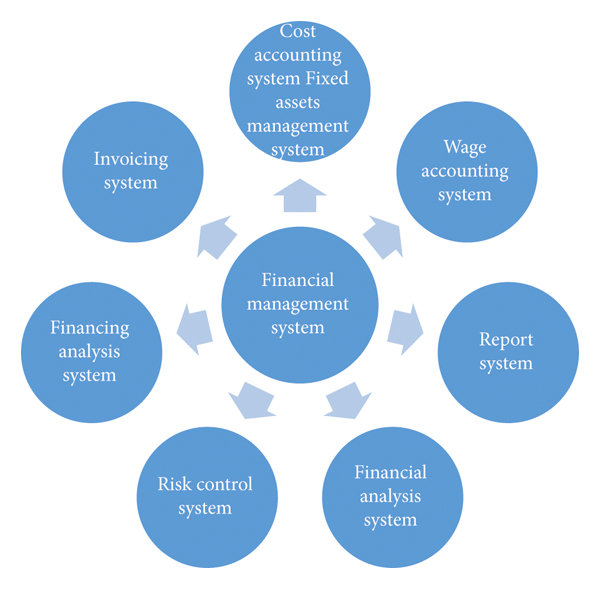
Effective money management commences with understanding your financial situation. A solid assessment of your income, expenses, debts, and savings can provide a solid foundation for your financial strategies. Commence by tracking all your spending and classify them into fixed and flexible costs. This awareness will help you identify areas where you can cut back and save more. Periodically reviewing this information is vital to staying on top of your monetary health.
Establishing a budget tailored to your way of life is another key strategy. Set aside time to construct a financial plan that aligns with your priorities, whether that’s saving for a vacation, paying off debt, or investing in your financial future. Be realistic in estimating your monthly income and expenses, and ensure your budget allows for flexibility to accommodate surprise costs. Using budgeting tools or apps can simplify this process and make it more manageable to stick to your plan.
Lastly, concentrate on establishing and achieving financial goals. These goals should be specific, measurable, achievable, relevant, and time-bound (SMART). Whether you aim to set aside for an emergency fund or plan for retirement, dividing these goals into incremental, achievable milestones can help sustain motivation. Additionally, regularly reviewing and adjusting your goals will keep you on track, as your financial situation and priorities may shift over time. Through the implementation of these strategies, you can significantly improve your money management skills and secure your monetary future.